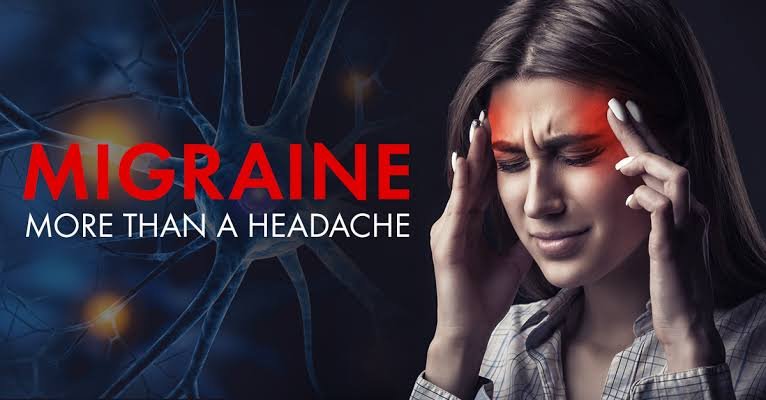
What Is a Migraine?
Migraine is a neurological condition that can cause repeated attacks of moderate to severe headache, often accompanied by nausea, vomiting, and sensitivity to light or sound. For some people, Migraine Symptoms, pain can make normal activities such as working, studying, travelling, or spending time with family difficult.
A migraine headache may feel like a strong throbbing or pulsating pain. It commonly affects one side of the head, although pain can occur on both sides. The symptoms and severity can be different from one person to another.
Migraine is more than an ordinary headache. Understanding the symptoms, possible triggers, and warning signs can help you recognize when professional medical advice may be appropriate.
What Does a Migraine Feel Like?
A migraine can feel different depending on the individual and the type of attack.
Common features include:
- Pulsating or throbbing head pain
- Moderate to severe headache
- Pain that may affect one side of the head
- Nausea or vomiting
- Increased sensitivity to light
- Increased sensitivity to sound
- Sensitivity to certain smells
- Difficulty concentrating
- Tiredness during or after an attack
Physical activity may make migraine pain worse for some people. An attack can last for several hours and, when untreated, may continue for up to 72 hours.
Not everyone experiences all of these symptoms. This is one reason why recurring headaches should be assessed based on the individual’s complete medical history and symptoms.
Common Migraine Symptoms
Recognizing migraine symptoms can help distinguish migraine from some other types of headache.
Throbbing Head Pain
Many people describe migraine pain as throbbing or pulsating. The pain can be intense enough to interfere with everyday activities.
Nausea and Vomiting
Nausea is a common symptom of migraine. Some people may also vomit during a severe attack.
Sensitivity to Light and Sound
Bright lights and loud sounds can become uncomfortable during a migraine attack. Some people prefer to rest in a quiet, dark room until the symptoms improve.
Visual Changes
Some people experience temporary visual disturbances before or during a migraine. These may include flashing lights, bright spots, zigzag patterns, or other changes in vision.
Tingling or Numbness
Migraine with aura can sometimes cause temporary tingling or numbness, particularly on one side of the body.
However, new numbness, weakness, speech difficulty, or sudden vision problems should not automatically be assumed to be migraine. These symptoms can also occur with serious neurological conditions and may require urgent assessment.
What Is Migraine Aura?
Some people experience migraine aura before or during the headache phase.
Aura refers to temporary neurological symptoms. Visual symptoms are common, but aura can also involve sensory or speech changes.
Possible symptoms include:
- Seeing flashing lights
- Bright spots or patterns
- Temporary changes in vision
- Tingling or pins-and-needles sensations
- Temporary numbness
- Difficulty speaking
Aura symptoms generally develop gradually and are temporary.
If you have never experienced these symptoms before, or if they suddenly appear in a different or more severe form, seek medical advice rather than assuming they are caused by migraine.
What Causes Migraine?
The exact cause of migraine is not completely understood. Research suggests that genetic and environmental factors can contribute to a person’s tendency to develop migraine.
Changes in nervous-system activity and pain pathways are thought to be involved. Family history can also be important, meaning migraine may occur in several members of the same family.
A person may have a tendency to develop migraine but experience an attack only when certain factors are present. These factors are commonly known as migraine triggers.
Common Migraine Triggers
Migraine triggers are not the same for everyone. A trigger that affects one person may have no effect on another.
Some commonly reported triggers include:
Stress
Emotional stress, work pressure, anxiety, or significant changes in routine may contribute to migraine attacks in some people.
Poor or Irregular Sleep
Sleeping too little, sleeping too much, or frequently changing your sleep schedule may increase the likelihood of migraine for some individuals.
Skipping Meals
Missing meals or going for long periods without eating may trigger headaches in some people. Maintaining regular meals can be helpful.
Dehydration
Not drinking enough fluids can contribute to headaches and may act as a trigger for some people.
Caffeine
Changes in caffeine consumption can affect headaches. Large amounts of caffeine may trigger migraine in some individuals, while suddenly stopping regular caffeine use can also cause headaches.
Bright Lights and Strong Smells
Bright or flashing lights, strong perfumes, smoke, and other intense sensory stimuli can trigger or worsen migraine in some people.
Hormonal Changes
Hormonal fluctuations can influence migraine in some women. Attacks may occur around menstruation, and migraine patterns can change during pregnancy or menopause.
Weather Changes
Some people report headaches associated with changes in weather or atmospheric pressure.
Certain Foods
Some individuals notice that particular foods are associated with their attacks. However, food triggers vary significantly. It is generally better to identify personal patterns rather than unnecessarily avoiding many foods.
How Can You Find Your Migraine Triggers?
One of the simplest ways to understand your individual migraine triggers is to keep a headache diary.
Record:
- Date and time of the attack
- How long the headache lasted
- Severity of the pain
- What you ate and drank
- Sleep duration
- Stress levels
- Any unusual activity
- Other symptoms
- Medicines taken
- Menstrual cycle information, when relevant
After several weeks or months, patterns may become easier to identify.
A headache diary can also provide useful information during a medical consultation.
How Is Migraine Diagnosed?
There is no single blood test that confirms migraine.
A healthcare professional generally considers your symptoms, headache pattern, medical history, and physical or neurological examination when evaluating suspected migraine.
During a consultation, you may be asked:
- When did the headaches begin?
- How frequently do they occur?
- How long does each attack last?
- Where is the pain located?
- Is the pain throbbing, pressing, or sharp?
- Do you experience nausea or vomiting?
- Are you sensitive to light or sound?
- Do you experience visual or sensory symptoms?
- What medicines have you tried?
- Do certain situations appear to trigger your headaches?
- Does anyone in your family experience migraine?
Depending on your symptoms and examination, additional investigations may sometimes be recommended to look for other causes.
How Is Migraine Treated?
Migraine treatment depends on how frequently the attacks occur, how severe they are, how much they affect daily life, and the person’s overall health.
Treatment can generally involve two approaches:
Treatment for an Attack
Medicines may be used to reduce symptoms during an acute migraine attack. Depending on the situation, healthcare professionals may recommend appropriate pain-relieving or migraine-specific medicines.
Some people may also benefit from resting in a quiet, dark environment, maintaining hydration, and reducing sensory stimulation.
Do not repeatedly take pain medicines without medical guidance. Frequent use of headache medicines can contribute to medication-overuse headaches.
Preventive Treatment
If migraine attacks are frequent, severe, prolonged, or significantly interfere with daily life, preventive treatment may be considered.
Preventive medicines are taken regularly with the goal of reducing the frequency or severity of attacks. The appropriate medicine depends on the person’s individual health circumstances.
A healthcare professional can determine whether preventive treatment is appropriate for you.
Lifestyle Habits That May Help
Medication is only one part of migraine management. Healthy routines may also help reduce the frequency or severity of attacks for some people.
Consider:
Maintain a Regular Sleep Schedule
Try to maintain consistent sleeping and waking times.
Stay Hydrated
Drink adequate fluids throughout the day, particularly during hot weather or physical activity.
Eat Regularly
Avoid unnecessarily long gaps between meals.
Exercise Regularly
Regular physical activity can support overall health. If exercise itself appears to trigger headaches, discuss this with a healthcare professional.
Manage Stress
Relaxation techniques, mindfulness, breathing exercises, and other stress-management approaches may be useful for some people.
Keep a Headache Diary
Tracking attacks can help identify patterns and can make medical consultations more productive.
When Should You See a Doctor for Migraine?
You should consider seeing a healthcare professional if your headaches:
- Occur regularly
- Are becoming more frequent
- Are becoming more severe
- Interfere with work, school, sleep, or daily activities
- Have changed from your usual pattern
- Are not responding adequately to your current approach
- Require frequent pain medicines
- Are accompanied by symptoms that concern you
Even if you believe you have migraine, recurrent headaches should be properly evaluated. Different types of headache can have overlapping symptoms.
When Is a Headache an Emergency?
Some headache symptoms require urgent medical attention.
Seek emergency medical care if you experience a sudden and extremely severe headache, particularly when the pain reaches maximum intensity very quickly.
Urgent assessment is also important if a headache occurs with:
- New weakness or numbness
- Difficulty speaking
- Confusion
- Seizures
- Loss of consciousness
- Double vision or significant visual problems
- Fever and stiff neck
- A headache following a significant head injury
- A substantially different headache pattern
These symptoms may sometimes indicate a serious underlying condition. A sudden or unusual severe headache should not simply be assumed to be migraine.
Can Migraine Be Prevented?
It may not always be possible to completely prevent migraine attacks, but many people can reduce their frequency or severity by identifying personal triggers and following an appropriate treatment plan.
Regular sleep, adequate hydration, regular meals, exercise, stress management, and keeping track of headache patterns can all be useful parts of migraine management.
For people with frequent or disabling attacks, a healthcare professional may recommend preventive treatment.
Frequently Asked Questions
Is migraine just a normal headache?
No. Migraine is a neurological condition that can cause headache together with symptoms such as nausea, vomiting, and sensitivity to light or sound. It can significantly affect daily activities.
Can migraine happen without severe headache?
Yes. Migraine can present differently in different people, and some people may experience neurological symptoms such as aura. A healthcare professional can help determine what is causing recurrent symptoms.
Can migraine affect children?
Yes. Migraine can occur in children and teenagers as well as adults. The symptoms and presentation can vary with age.
Can stress cause migraine?
Stress can be a trigger for migraine in some people. However, triggers vary from person to person, and stress is not the only possible factor.
Should I avoid all foods that are said to cause migraine?
Not necessarily. Food triggers are highly individual. Keeping a headache diary can help you identify whether a particular food consistently appears before your attacks.
Can taking painkillers too often make headaches worse?
Yes. Frequent use of some headache medicines can contribute to medication-overuse headaches. If you regularly need pain medicine for headaches, discuss the pattern with a healthcare professional.
Final Takeaway
Migraine can affect much more than the head. Head pain may occur together with nausea, vomiting, sensitivity to light or sound, visual symptoms, or other neurological symptoms.
Learning your personal migraine triggers, maintaining healthy daily routines, and seeking appropriate medical advice can help you manage recurring headaches.
If your headaches are frequent, severe, changing, or interfering with your everyday life, consider discussing them with a healthcare professional. And if you develop a sudden, extremely severe headache or neurological warning signs such as weakness, confusion, seizures, or difficulty speaking, seek urgent medical attention.
About the Doctor
Dr. Shahrukh Khan Bahadur, MBBS is a registered medical practitioner with the Assam Council of Medical Registration.
To learn more about Dr. Shahrukh Khan Bahadur, his professional qualifications, registration, and medical background, read the full About Dr. Shahrukh Khan Bahadur page.
NEURO POLYCLINIC
For more information about our clinic, consultations, and healthcare services, visit NEURO POLYCLINIC – Hojai & Diphu.
Registration No.: 30675
Medical Disclaimer
This article is provided for general educational purposes only. It does not replace an individual medical consultation, diagnosis, or treatment plan. Symptoms can have different causes, and medical advice should be based on an appropriate evaluation of the individual patient.
Medical Sources
- Mayo Clinic — Migraine: Symptoms and Causes
- Mayo Clinic — Migraine: Diagnosis and Treatment
- Mayo Clinic — Migraine: Lifestyle and Self-Care